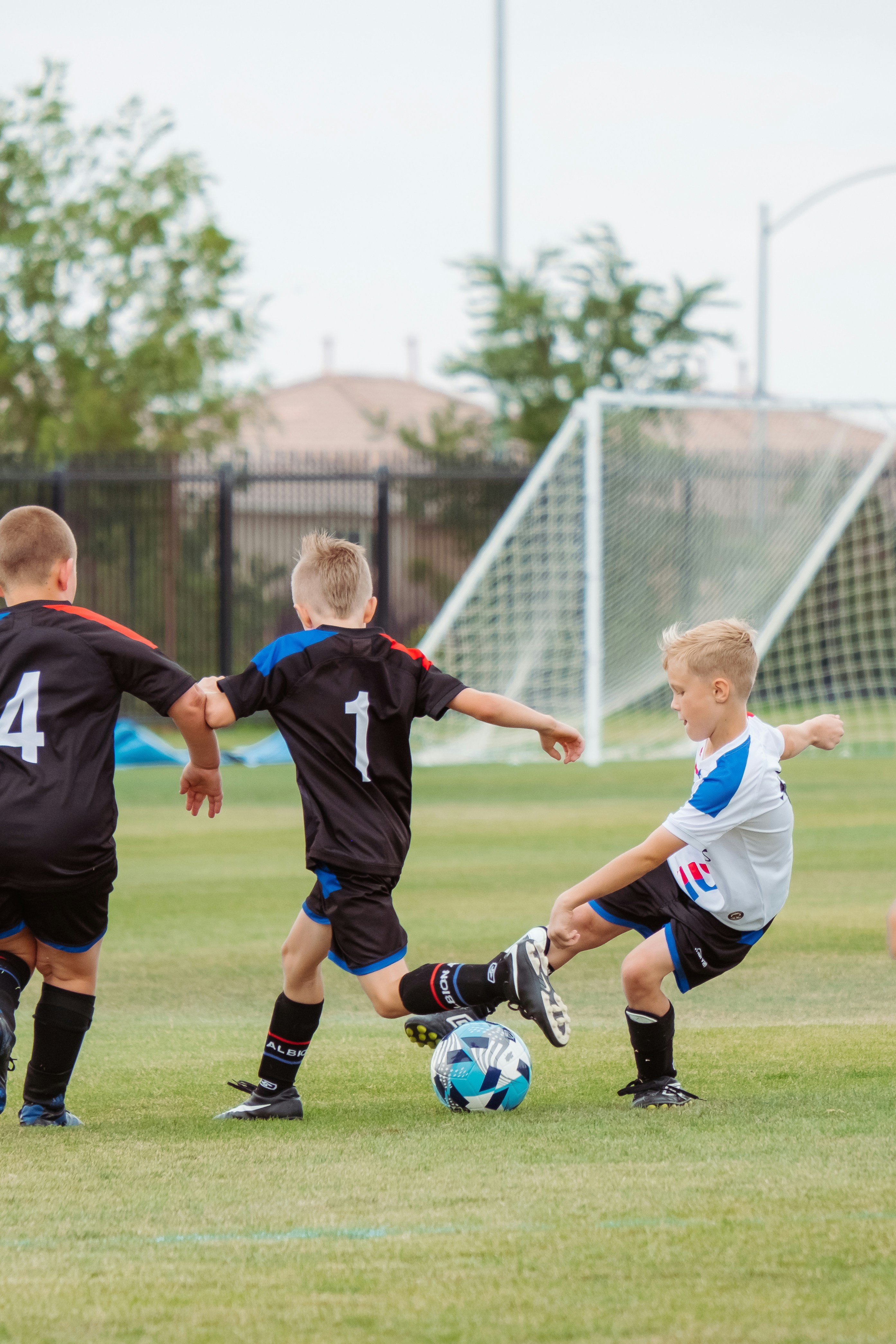
If you just volunteered (or got volunteered) to coach your kid's youth soccer team, the amount of off-field work probably caught you off guard. Coaching the actual soccer part is only about 30% of the job. The rest is logistics: communicating with parents, organizing practice schedules, coordinating game-day details, tracking which kids are showing up, and managing the expectations of a dozen families who all want different things.
Here's a practical guide to managing a youth soccer team without losing your evenings and weekends to administrative work.
Get Organized Before the Season Starts
The single biggest mistake first-time youth coaches make is jumping straight into practice planning without setting up their management systems first. Spend one evening before the season handling the administrative foundation.
Choose a Team Management Tool
You need one central place for schedules, communication, and attendance. The most popular options for youth sports teams are:
BenchApp — A free team management app that handles scheduling, automatic text message reminders, and attendance tracking. Parents receive text messages before each game and practice asking if their child will attend, and they reply by text. The coach sees a real-time headcount. The big advantage for youth sports is that parents don't need to download an app — everything works through SMS.
TeamSnap — Widely used in youth sports with scheduling, availability tracking, and team communication features. All parents need to create accounts and download the app. The free tier is limited; most features require a paid plan.
Team Genius — A newer option specifically designed for youth sports with practice planning tools built in.
For most volunteer coaches, BenchApp is the easiest to set up and the least friction for parents because it works through text messages that every parent already knows how to use.
Collect Contact Information
Create a simple form (Google Forms works well) to collect from each family: player name, parent/guardian names, phone numbers, email addresses, any medical conditions or allergies, and emergency contact information. Store this securely and share it only with your assistant coaches.
Send an Introductory Message
Before the first practice, send one clear message to all parents covering: practice schedule (days, times, location), game schedule (if available), what kids need to bring (shin guards, cleats, water bottle), your coaching philosophy in 2-3 sentences, and the best way to reach you.
Set expectations for communication early. "All schedule updates and attendance will be sent through BenchApp. If you need to reach me directly, text or call — I don't check email daily during the season."
Managing Practices Efficiently
Plan in Advance, But Keep It Flexible
Youth soccer practices should be 60-90 minutes depending on age group. A simple structure that works for most ages:
Warm-up (10-15 min): Light jogging, dynamic stretching, fun movement games.
Skill work (20-25 min): Focused drills on one or two specific skills.
Small-sided games (20-25 min): 3v3, 4v4, or 5v5 games that reinforce the skills you just practiced.
Scrimmage or game (10-15 min): Full-team play to end on a high note.
Cool-down (5 min): Light stretching, team huddle, announcements.
Planning each practice in advance takes 10-15 minutes and makes the actual session dramatically smoother. Many coaching resources are available free through your local soccer association.
Track Practice Attendance
Knowing who consistently shows up matters for fair play-time distribution during games. Use your team management app to track practice attendance automatically rather than trying to take mental notes or scribble on paper.
Managing Game Days
The Pre-Game Checklist
The day before each game, confirm these things:
Attendance count (your app should handle this automatically). You have enough players (most youth leagues require a minimum of 7-8). Game balls, first aid kit, team water jug, pinnies for warm-up. Any players with special notes (returning from injury, behavioral issue from last game, etc.). Your lineup and substitution plan (ensure every player gets equal playing time in recreational leagues).
Equal Playing Time
In recreational youth soccer, every player should get roughly equal playing time. This is often a league rule, and even when it isn't, it's the right approach for development. The simplest method: divide the game into equal segments and rotate players in and out at each segment break. Track this on paper during the game — a simple grid with player names and periods works.
Communicating With Parents
Set Boundaries
The most important thing you can do as a volunteer coach is establish clear communication boundaries.
One communication channel. Use BenchApp or your chosen app for all team logistics. Don't let parents pull you into separate text threads, WhatsApp groups, or email chains.
Response times. You don't need to respond to messages immediately. "I'll reply to non-urgent messages within 24 hours" is perfectly reasonable.
Feedback timing. Never discuss a child's performance or playing time immediately after a game — emotions are too high. Ask parents to wait 24 hours before raising concerns.
The Parent Meeting
Host a brief parent meeting (15-20 minutes, not longer) at the start of the season. Cover your coaching philosophy, playing time approach, practice expectations, and how to communicate with you. This one meeting prevents most conflicts before they start.
Common First-Time Coach Challenges
"Parents are texting me constantly." Redirect everything to the app. "Great question — I'll post an update in BenchApp for the whole team." Repeat until the behavior changes.
"I don't know enough about soccer." You don't need to be an expert. Your local soccer association likely offers free coaching clinics. YouTube has thousands of age-appropriate drill videos. At young ages, the most important things are that kids are moving, having fun, and touching the ball a lot.
"Some kids never come to practice but expect to play in games." This is where your attendance policy (established at the start of the season) does the heavy lifting. If you've stated that practice attendance impacts game-day roles, you can enforce it fairly.
"One parent is way too intense." Address it directly and privately. "I appreciate your enthusiasm, but I need to ask that coaching direction comes from the coaching staff during games. It's confusing for the kids to hear conflicting instructions." If it continues, involve your league's parent liaison.
The Bottom Line
Managing a youth soccer team doesn't have to consume your life. Set up BenchApp for scheduling and attendance at the start of the season, establish clear parent communication boundaries, plan practices in advance, and make sure every kid gets equal playing time. The administrative side of coaching should take you about 30 minutes per week once your system is in place. The rest of your time should be spent doing the fun part — coaching kids and watching them improve.
Ready to get started?
Get up and running in less than 5 minutes. You won't regret it.
No credit card required